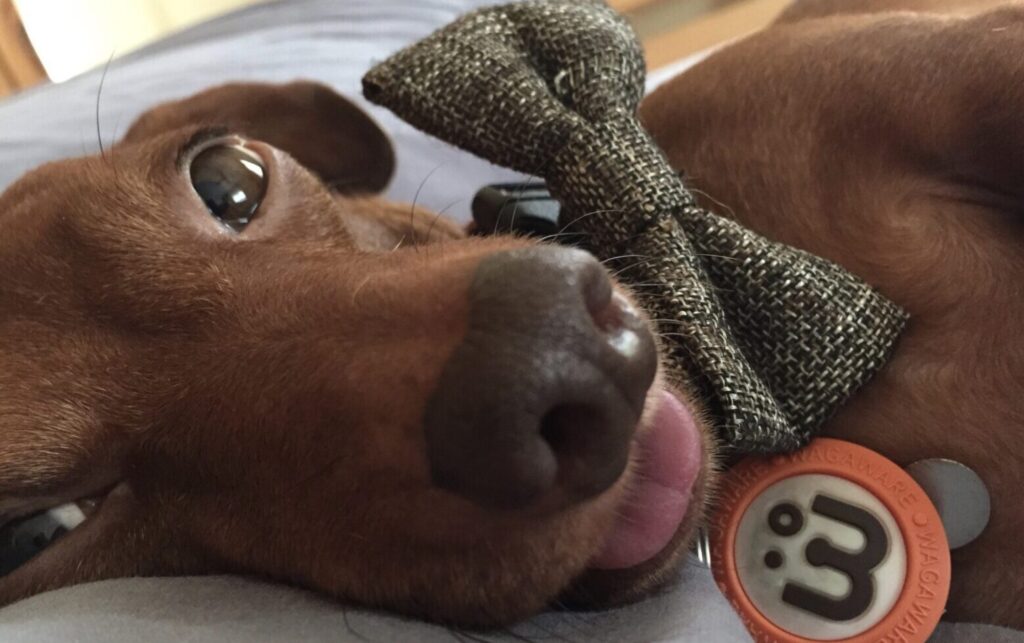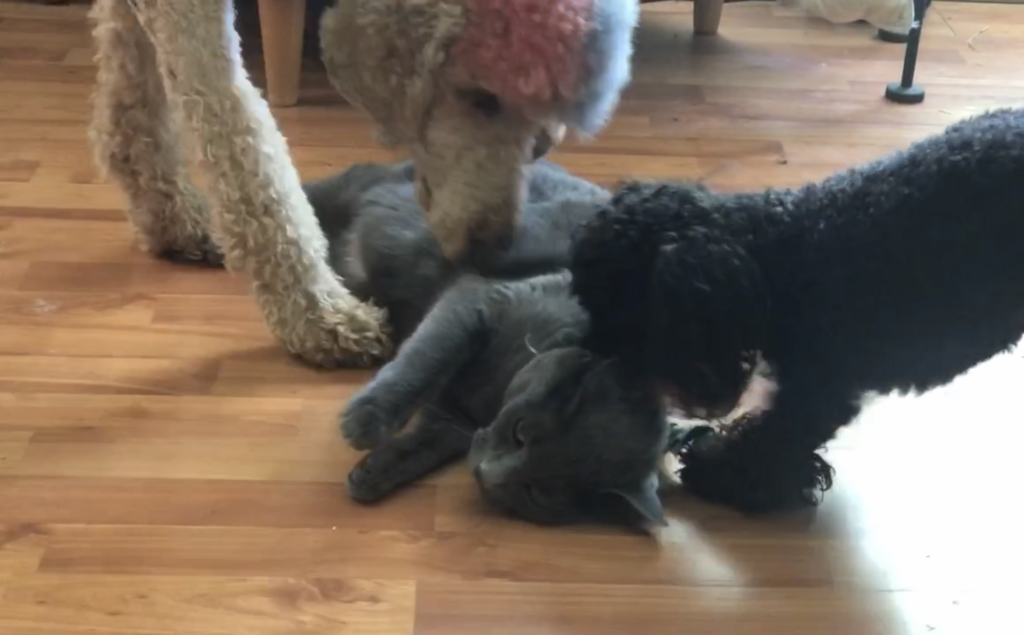
Ever read something from a “expert” and doubt yourself? You are not alone!
every pseudo expert ever
when every dog does
<unexpected thing>
it means
<one thing only>
In an effort to grab your attention or simplify their ideas, experts fail by making us doubt our instincts. You should especially doubt an expert—when considering behavior—if their answer is the same for everyone.
- no one answer works for everyone all the time
- no one understands your pet as well as you do
Where to Start?
When someone does something we don’t expect, we can become scared, concerned, or even confused. That’s perfectly natural! When you can’t ask why in a comfortable way, take a deep breath and come back calm to improve your understanding and confidence.
With the psychology of other animals we must use scientific method to improve understanding.
Guess why someone does what they do and test your theory using scientific method. It’s easy!
Here’s an example:
- Hypothesis: this dog giving side eye means they’re going to bite.
- Using caution to avoid increasing stress on the dog, test and watch closely for physical signs of tension including growling and snapping.
- The dog doesn’t become reactive but looks forward, closes their eyes, and relaxes.
- Possible Answer: the dog is looking sideways simply to avoid moving their head.

You Can Understand your Pet
It is relatively easy for us to understand domesticated dogs because we’ve chosen partnership and shared evolution for so long.
Dogs have partnered with humans for many thousands of years so it’s logical to form a hypothesis based upon behavior and test it on the dog. This is especially true if you have lived with the dog successfully for many months during their adulthood.
We can’t know human psychology completely. It’s even harder to know when the one you’re trying to understand is nonverbal AND another species.
A Little Research Goes A Long Way
Our pets aren’t us so improving your understanding of their unique perspective is worthwhile and will significantly improve your accuracy when guessing.
Increase your understanding of canid psychology by reading more from Turid Rugas about Calming Signals. She is a legitimate scientist who has observed canids secretively in their natural habitat for decades.
Her study initially resulted in a series of things canids do, both domesticated and feral, to calm the object of their attention without making physical contact. “Play bows” are one such signal that has resulted in articles in science journals pondering morality in canids.
But do dogs always “play bow” to calm or can they do so for purely physical reasons like stretching?
Of course they can!
We Can Help
Complex issues require more work on our part. The more we learn, the more we realize just how complex minds and bodies are. Happily most of us are only trying to understand a dog or two for many years.
WilloWisdom is here for you! Contact us for professional help with your pet’s behavior or for resources for other animal companions.
Disagree or have an important point to add? I appreciate feedback for my mission to improve life for our nonhuman companions.
Your Feedback Matters
Thank you for choosing to seek answers and to learn more about your best friend. Every minute of research you do for them can result in years of improved relationships for you!